Ecological Thinking
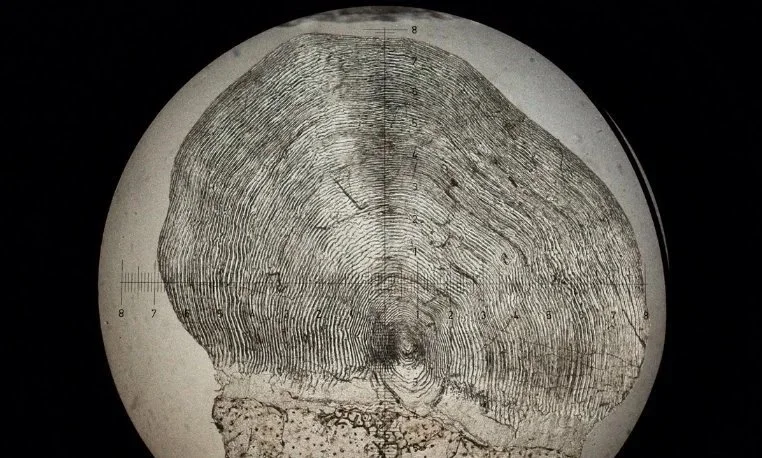
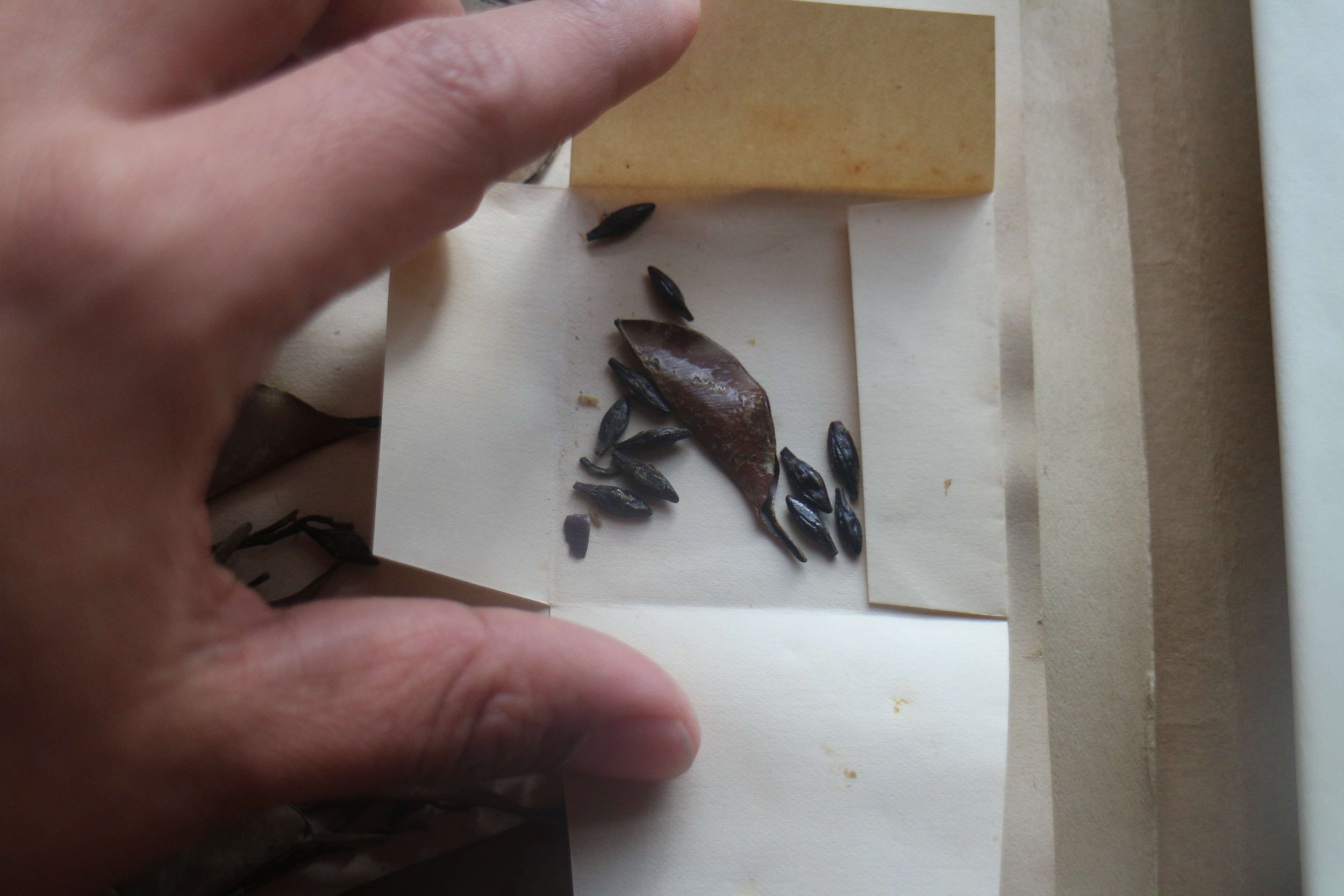
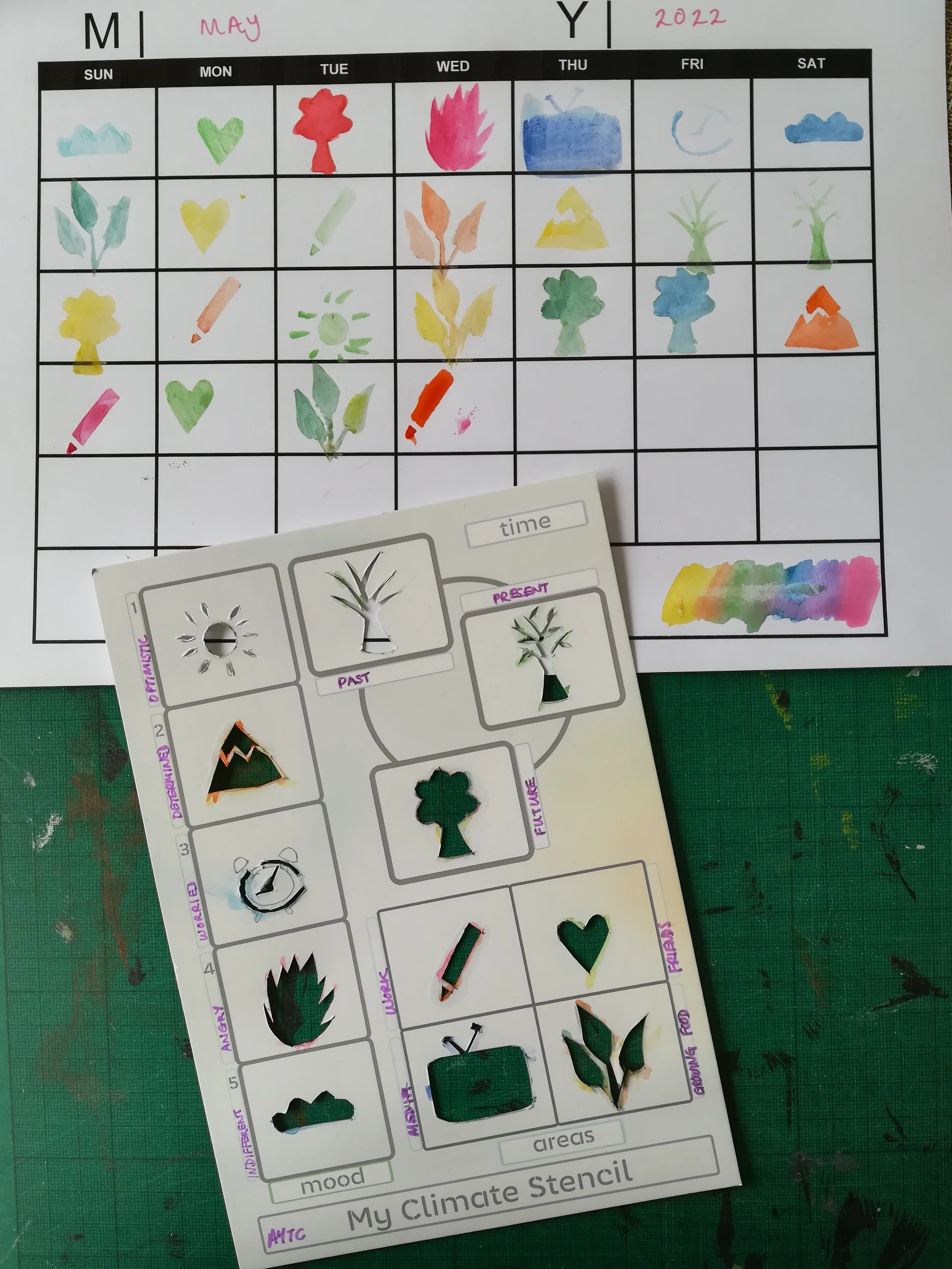
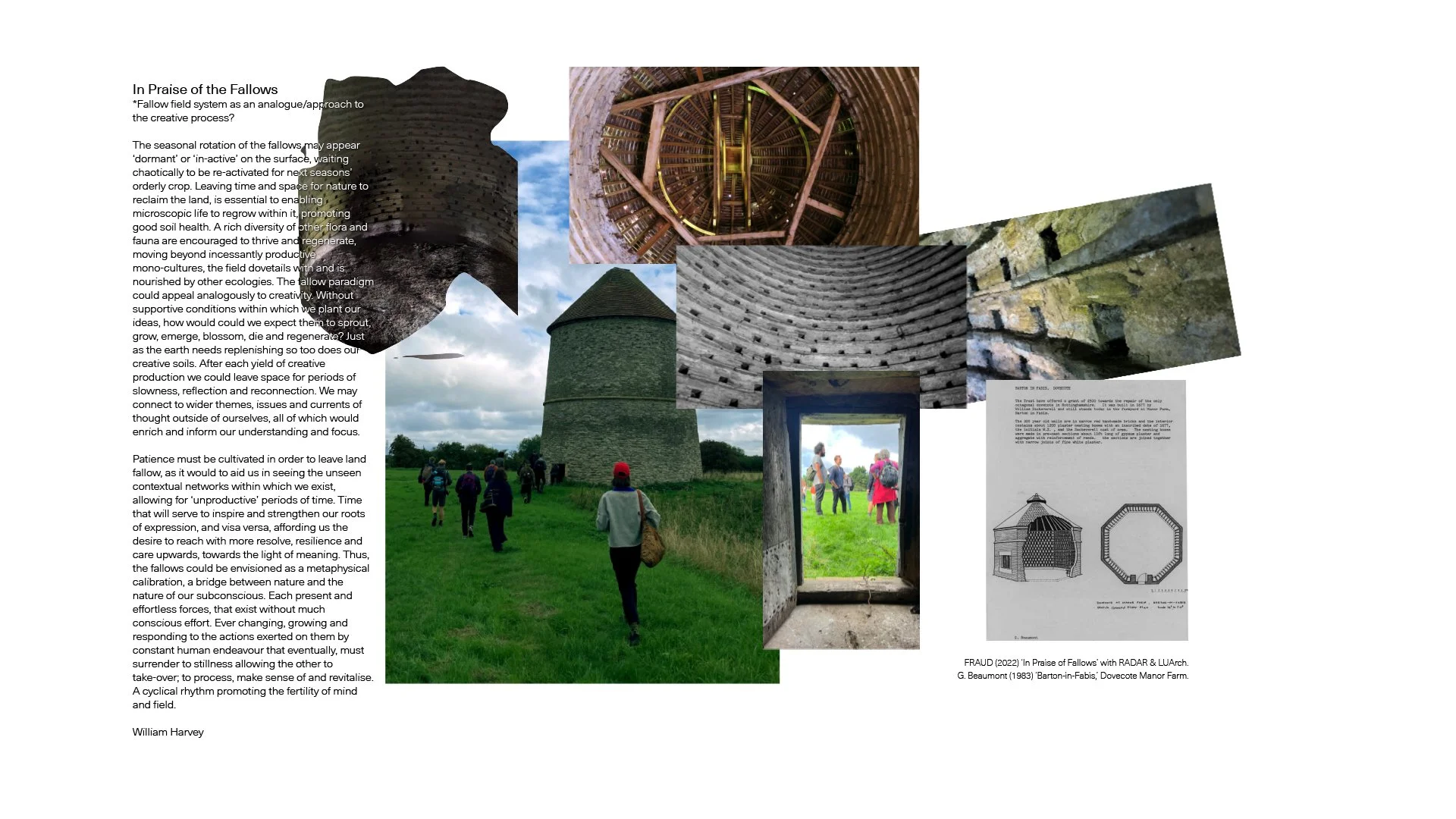
I don’t mean “ecology” in that you study the environment separate from where we live or who we are as people. Actually, ecology, the way I think of it—the way I’ve been taught to think about it—is: paying attention to the webs of relationships that you are enmeshed in, depending on where you live. So, those are all the things that give us life, all the things that we depend on, as well as all the other entities that we relate to, including human beings.”
Dwayne Donald, “On What Terms Can We Speak? Lecture at the University of Lethbridge,” 2010
I initiated and led the curatorial process for developing this programme of artist commissions and events in 2022-2023. Its purpose was to consider what creative and collaborative methodologies can bring to the study of ecology and the environment. How can artistic practices pay attention to the complex challenges facing the world’s habitats and ecosystems in ways which do not perpetuate the logics and power imbalances which contributed to our current situation, instead fostering pluralism and collaboration?
The title is drawn from Canadian philosopher Lorraine Code, whose book Ecological Thinking: The Politics of Epistemic Location argues for expanded ways of knowing “sensitive to human and historical-geographical diversity and well equipped to interrogate and unsettle the instrumental rationality, abstract individualism, reductionism, and exploitation of people and places that the epistemologies of mastery have helped to create.” Code’s thinking owes a debt to Indigenous thought and scholarship, various traditions of which have rejected, in Vanessa Watt’s phrase, philosophies which “separate constituents of the world from how the world is understood”.
The intention of the programme was to critically interrogate the tools with which we study ecology and the environment and consider what creative methods may offer in the quest to open up fairer futures for the world's human and nonhuman inhabitants. Can creative and collaborative approaches help us to grasp and interrogate the webs, in Dwayne Donald’s phrase, which connect lives, actions and histories at a local level to their global reverberations?
Commissioned artists were: Sonia Levy, FRAUD, Aliansyah Caniago, Laura Harrington, Angela YT Chan, Theo Reeves-Evison.